

This activity was originally presented at the 2026 HOPA Annual Conference in New Orleans, LA.
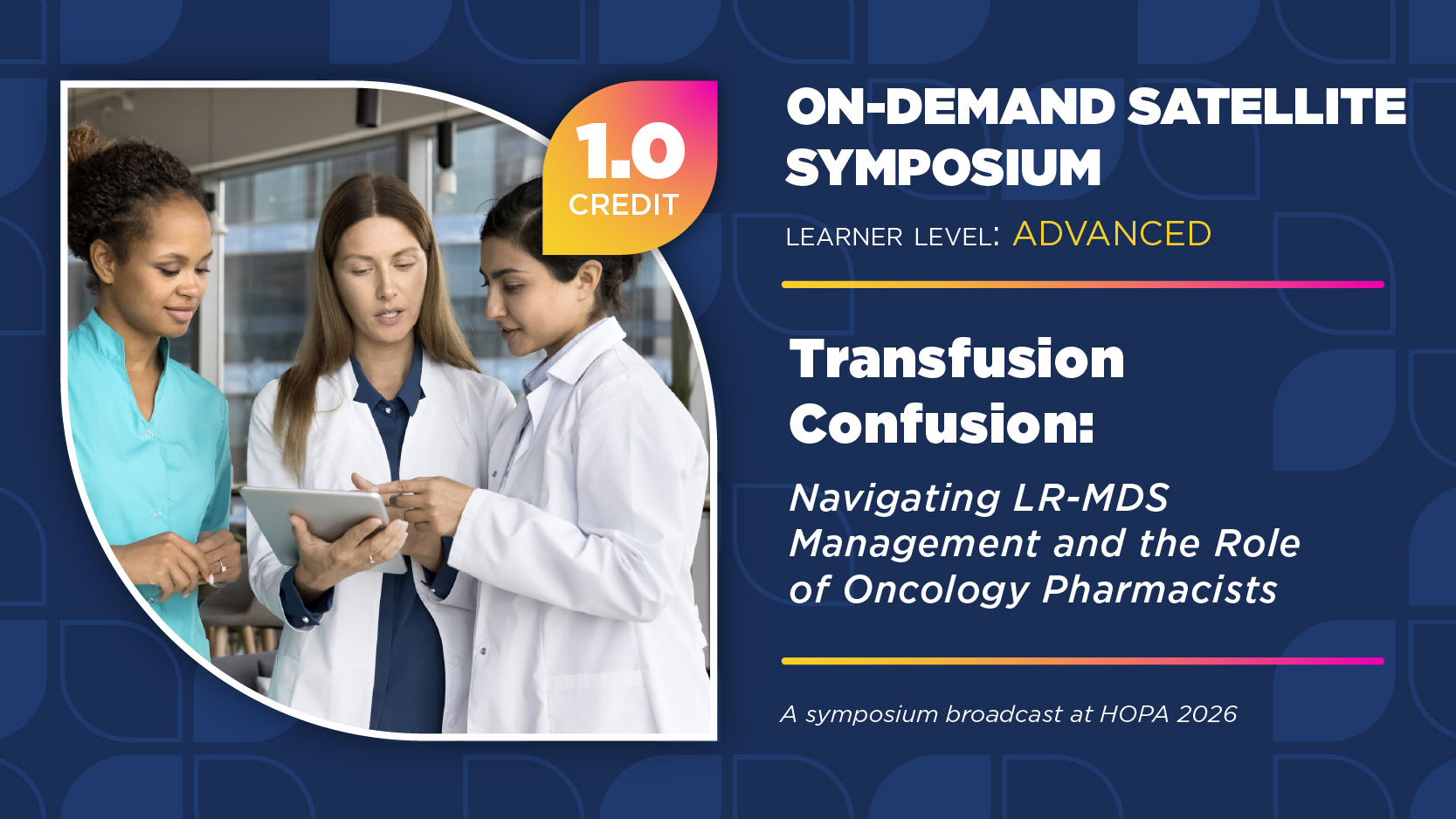
Lower-risk myelodysplastic syndromes (LR-MDS) present a significant clinical burden characterized by chronic anemia, transfusion dependence, and negative impact on patient quality of life. While erythropoiesis-stimulating agents (ESAs) are established as the foundation of frontline therapy, many patients experience primary nonresponse or eventually lose response, which requires more individualized treatment options. This program will equip oncology pharmacists with the latest clinical evidence and guideline updates to navigate the evolving LR-MDS landscape, specifically focusing on the integration of newer agents into treatment plans. Participants will explore the clinical implications of emerging therapies, the role of genomic markers, and the impact of serum erythropoietin levels on evidence-based treatment selection. To support successful clinical use, expert faculty will specifically address the complexities of navigating these new therapies, including the management of unique adverse effect profiles and responsive dosing protocols. Beyond therapeutic selection, the session will emphasize the pharmacist's critical role in operationalizing care by addressing challenges in dose escalation, managing hematologic toxicities, and mitigating fragmented health record documentation. Through interactive case reviews, attendees will be able to experience plausible clinical scenarios, including frontline decision-making and post-ESA therapy transitions, ensuring optimal, responsive dosing and improved patient outcomes.
Target audience: Oncology pharmacists
Type of activity: Application
Release date: April 15, 2026
Expiration date: April 15, 2027
Learner level: Advanced
Time to complete activity: 1.0 hour
Fee: Free
Educational Objectives
At the completion of this activity, participants will be able to:
- Examine clinical trial data for new and emerging therapies in lower-risk myelodysplastic syndromes (LR-MDS) to guide patient-specific treatment recommendations
- Apply genomic testing results, guideline recommendations, and patient-specific factors to support individualized, evidence-based treatment selection for patients with LR-MDS
- Optimize dosing, response assessment, and adverse effect management for patients receiving newer therapies for LR-MDS, using electronic medical records, transfusion, and lab data
GET STARTED WITH THIS PROGRAM:
Register now to gain access to this program.
Create AccountAlready Registered? Login Here