
Program Description
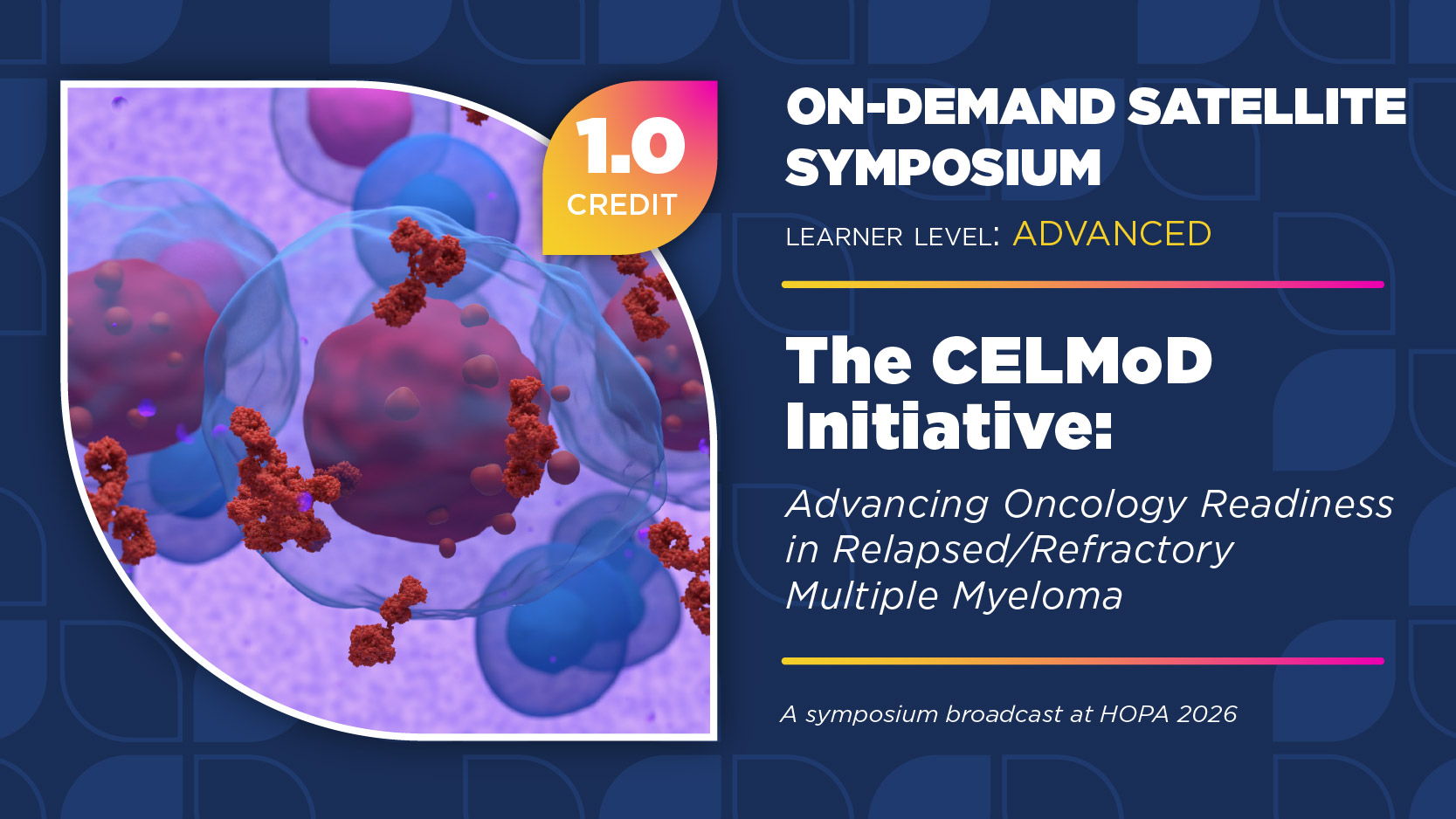
A majority of patients with multiple myeloma (MM) ultimately relapse, and many progress to triple-class-refractory disease, where survival is poor and IMiD-based regimens often have lesser effectiveness. In this high-risk relapsed/refractory population, next-generation cereblon E3 ligase modulators (CELMoDs) are emerging as oral therapies specifically designed to increase anti-myeloma immune responses while boosting T-cell function. As data for CELMoDs continue to emerge, oncology pharmacists must recognize their potential role to expand oral therapy options in patients with heavily pretreated MM. This session will explore how evolving evidence for dosing and guideline placement for CELMoD-based combinations may impact treatment and management of RRMM. Case discussions will connect pharmacologic properties of CELMoDs, efficacy data, and adverse effect management to real-world decisions about treatment selection, monitoring, and counseling for patients with relapsed/refractory MM in the community setting.
Target audience: Oncology pharmacists
Type of activity: Application
Release date: April 15, 2026
Expiration date: April 16, 2027
Learner level: Advanced
Time to complete activity: 1.0 hour
Fee: Free
Educational Objectives
At the completion of this activity, participants will be able to:
- Differentiate cereblon E3 ligase modulators (CELMoDs) from immunomodulatory drugs (IMiDs) and other targeted agents in relapsed/refractory multiple myeloma (RRMM) based on their mechanisms of action, resistance pathways, and pharmacologic properties to support evidence-based clinical decision-making
- Explore pharmacist-led strategies to anticipate, monitor, and manage hematologic toxicities associated with CELMoD-based regimens, including evidence-based interventions for neutropenia prevention and dose optimization in community oncology practice
- Apply emerging clinical evidence to determine where CELMoDs fit within the RRMM treatment continuum, including sequencing with T-cell-directed and other novel therapies, and address practical considerations for integration into community-based care
GET STARTED WITH THIS PROGRAM:
Register now to gain access to this program.
Create AccountAlready Registered? Login Here