
This activity was originally presented live at Asembia's AXS26 Summit in Las Vegas, Nevada
Program Description
Fibrosing interstitial lung
diseases (F-ILDs) encompasses progressive lung conditions including idiopathic
pulmonary fibrosis and progressive pulmonary fibrosis, which are characterized
by irreversible lung scarring, chronic cough, and high mortality rates.
Currently, antifibrotic therapies are the primary strategy for treating ILDs,
but these therapies are limited by their ability to slow disease progression
rather than reverse existing lung scarring as well as high rates of adverse
effects (AEs), particularly gastrointestinal and skin-related issues that
contribute to suboptimal medication use and high discontinuation rates. Newer
generation therapies offer potential improvements in both tolerability and
novel mechanisms of action. As these new classes of medications move towards
approval, pharmacists must understand their unique mechanisms of action to
prepare for new monotherapy and combination therapy paradigms. This program
will review the latest clinical evidence for the rapidly evolving F-ILD treatment
landscape, preparing specialty pharmacists to integrate new therapies into
existing workflows. Patient-centered cases emphasizing the value of the
multidisciplinary care team will be presented to address the complexities of
real-world treatment and management decisions for patients living with F-ILDs.
Target audience: Specialty pharmacists
Type of
Activity: Application
Release date: May 12, 2026
Expiration date: May 12, 2027
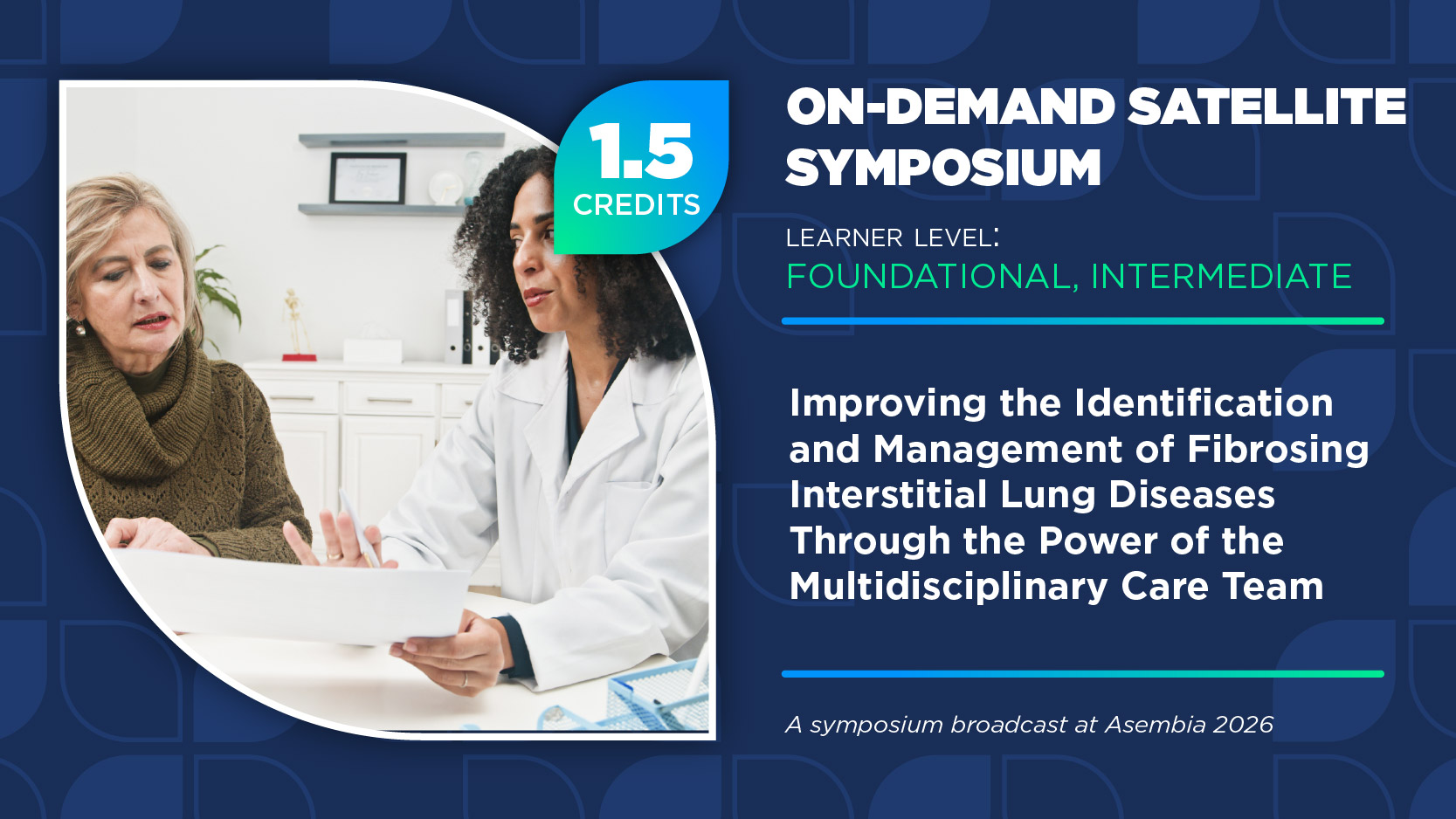
Learner level: Foundational, Intermediate
Time to complete activity: 1.5 hour
Fee: Free
Educational Objectives
At the completion of this activity, participants will be able to:
- Differentiate the pathophysiology and clinical burden of fibrosing interstitial lung diseases (F-ILDs) and idiopathic pulmonary fibrosis from progressive pulmonary fibrosis through updated diagnostic guidelines and recommended testing methods
- Examine currently approved antifibrotic therapies for F-ILD and their mechanisms of action, with attention to data on emerging therapeutic agents in the F-ILD pipeline and their potential impact on clinical care
- Provide activities and actions to use when working with the multidisciplinary team and the patient with an F-ILD by leveraging their consultation skills, sharing education with patients and their caregivers about their disease, and improving access to treatments that respect developments in clinical research, treatment guidelines, and emerging therapies.
GET STARTED WITH THIS PROGRAM:
Register now to gain access to this program.
Create AccountAlready Registered? Login Here